1. Why Mining Equipment Experiences Severe Wear
Mining equipment works in some of the harshest conditions on earth. Every day, buckets, crushers, chutes, truck beds, conveyors, and structural components are exposed to:
- Abrasive ore and rock
- Fine dust and grit
- High-impact loading
- Sliding and gouging wear
- Extreme temperature changes
- Continuous operation with limited maintenance windows
In Mongolia, these challenges are amplified by remote sites, long winter seasons, and logistics delays. When a wear part fails, the problem is not only the part. It is the production hours lost while waiting for a replacement.
That is why Mining Equipment Wear must be treated as a maintenance planning issue, not only a purchasing issue.
2. Abrasion and Repeated Mechanical Stress
Wear does not happen in one moment. It builds through repeated mechanical stress.
Mining equipment experiences:
- Abrasion: Hard particles rub against metal surfaces and gradually remove material.
- Impact: Large rocks and heavy loads strike liners, buckets, and crusher components.
- Gouging: Sharp material cuts into surfaces and creates deep wear patterns.
- Fatigue: Repeated loading and vibration cause cracks, deformation, and failure.
- Cold brittleness: In low temperatures, some materials become more likely to crack.
This is why Wear Resistant Material selection matters. A material that is too soft wears out quickly. A material that is too hard may crack under impact or cold conditions. The right balance helps extend service life and reduce emergency maintenance.
3. The Relationship Between Wear and Downtime
Wear is not just a component problem. It creates a maintenance chain:
Wear
↓
Component Replacement
↓
Cutting
↓
Repair
↓
Downtime
↓
Maintenance Cost
Here is what happens in practice:
- A wear part reaches its limit.
- The component must be replaced or rebuilt.
- Replacement material must be cut, fitted, and welded.
- Equipment stays down during the repair.
- Production stops or slows.
- Maintenance cost increases through labor, parts, logistics, and lost output.
For Mongolian mines, downtime is especially expensive. A small wear part failure can become a major production delay if replacement parts must travel long distances or pass through customs.
Better wear resistance does not eliminate maintenance. But it can reduce how often replacement is needed—and how long each repair takes.
4. Why Material Selection Matters
Not all steel performs the same in mining maintenance.
When selecting material for Mining Wear Parts, maintenance teams should consider:
- Hardness and abrasion resistance
- Toughness and impact resistance
- Weldability and fabrication
- Performance in cold climates
- Thickness and wear allowance
- Cost per operating hour, not just cost per plate
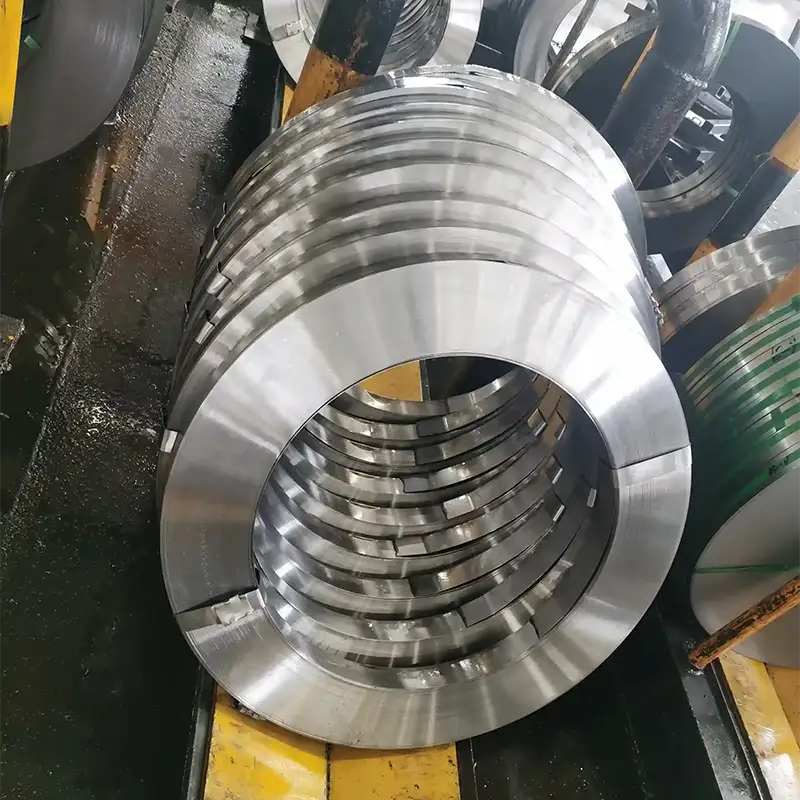
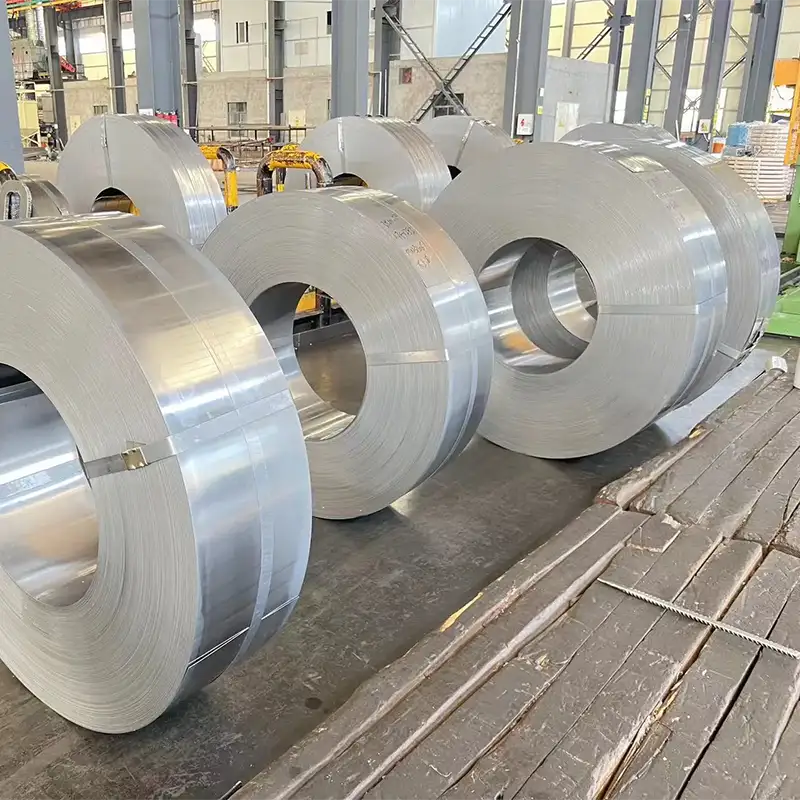
A high-quality Wear-Resistant Steel Strip can be used for liners, chutes, buckets, truck beds, crusher components, and other high-wear areas. The goal is simple: keep the equipment working longer between replacements.
For Mongolian operations, the right material can also reduce dependence on imported finished parts. Instead of waiting for a complete replacement component, maintenance teams can fabricate or repair parts using wear-resistant material and reliable cutting tools.
5. Replacement Component Manufacturing
When OEM parts are expensive, unavailable, or slow to arrive, mines often need another option.
That is where Mining Equipment Replacement Parts manufacturing becomes valuable. Maintenance teams can produce or repair components locally using:
- Wear-resistant steel plates and strips
- Structural steel
- Cutting and forming equipment
- Welding and fabrication processes
This approach is especially useful for:
- Chute liners
- Bucket liners
- Truck bed liners
- Crusher wear plates
- Conveyor components
- Structural repair plates
A reliable Mining Equipment Maintenance & Replacement solution helps mines move from “waiting for parts” to “controlling repair time.”
6. Why Cutting Performance Matters During Maintenance
Cutting is the first step in most maintenance repairs. If cutting is slow or inaccurate, the whole repair slows down.
Replacement components often require cutting:
- Wear-resistant steel plates
- Thick strips and liners
- Shafts and structural steel
- Old worn parts before removal
- New parts before fitting and welding
Wear-resistant steel is tougher than ordinary steel. That means cutting tools must perform consistently. Poor cutting performance can cause:
- Long cutting times
- Heat damage
- Rough cuts
- Extra machining
- Blade breakage
- Longer equipment downtime
Using the right Metal Cutting Band Saw Blades helps maintenance teams cut wear-resistant material faster, cleaner, and with less waste. In remote Mongolian mining sites, reliable cutting tools are not a small consumable. They are part of the maintenance supply chain.
7. Building a More Reliable Maintenance Supply Chain
For Mongolian mining operations, reliability means planning ahead.
A strong maintenance supply chain should include:
- Critical wear parts stocked before failure
- Standardized wear-resistant materials
- Reliable cutting consumables
- Local fabrication and repair capability
- Preventive replacement schedules
- Clear tracking of wear life and cost per hour
- Suppliers who understand mining conditions
The goal is not to buy more parts. The goal is to reduce unplanned replacement, shorten repair time, and keep production moving.
When wear resistance, replacement part manufacturing, and cutting performance work together, maintenance changes from reactive firefighting to planned cost control.
8. Conclusion
Wear resistance is not just a product feature. It is a maintenance strategy.
Better wear resistance means:
- Fewer component replacements
- Less cutting and repair work
- Shorter downtime
- Lower maintenance cost
- More reliable production
For Mongolian mining operations, where logistics are long and downtime is expensive, the right Mining Equipment Maintenance approach can make a measurable difference.
Do not wait for a wear part to fail. Plan the replacement before it stops production.